
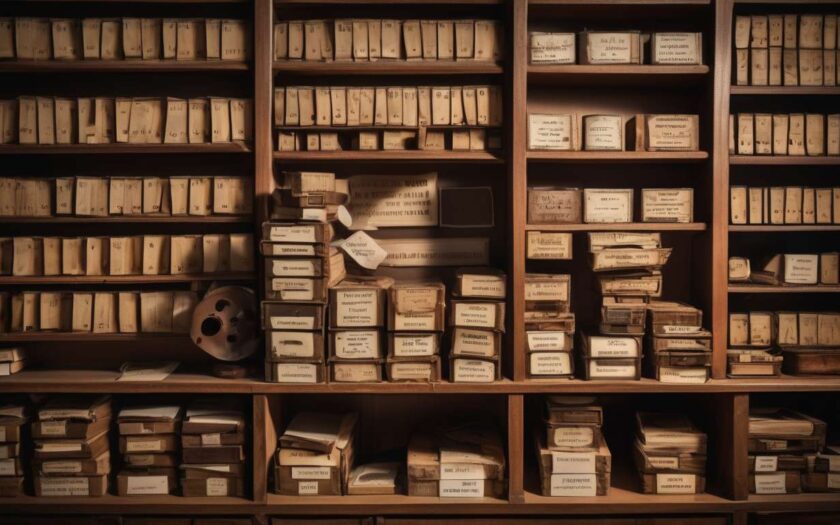
Surprisingly, the preservation of adult film records intersects with the same archival principles that protect political archives, oral histories, and scientific datasets.
International archives serve as custodians not merely of sensational content but of cultural, legal, and technological histories that inform research across disciplines.
Cataloging, metadata standards, and access policies developed for mainstream collections are often adapted—or resisted—when applied to sexually explicit materials.
Archivists employ ethical frameworks to balance privacy, consent, and scholarly inquiry.
Cross-border collaborations navigate divergent laws and social norms.
Stigmas shape acquisition decisions, while innovative practices ensure materials remain discoverable for future study.
By tracing these unexpected connections, preserving adult movie records contributes to a fuller, more nuanced understanding of:
- media history,
- public health, and
- the politics of representation.
Historical Significance
We recognize that preserving adult film records offers unique insights into cultural, legal, and technological shifts across the twentieth and twenty-first centuries.
We see these collections as community resources that help trace changing social norms, censorship battles, and production practices.
By applying rigorous film cataloging, we make materials discoverable and meaningful for scholars, educators, and community members who want context rather than sensationalism.
We balance access with thoughtful archival ethics, acknowledging the dignity of performers and the communities tied to these works.
We design procedures that foreground contextualization:
- Provenance
- Dates
- Distribution histories
so researchers can interpret artifacts responsibly.
We’re committed to integrating privacy protections into handling and description, limiting sensitive personal data while preserving documentary value.
Through collaborative acquisition policies and shared standards, we build a networked sense of stewardship:
- Researchers
- Archivists
- Stakeholders
All belong to the same project of responsibly documenting an often-misunderstood cultural record.
Ethical Considerations
We must balance open access with protecting performers’ dignity and personal data.
Archival ethics require centering respect and consent when handling adult film records.
- We commit to limiting unnecessary exposure of identifying information.
- We apply privacy protections consistently across collections.
- We respond to requests from performers or their representatives in a timely and respectful manner.
Access practices and documentation will reflect care and transparency.
- When available, we include informed-consent histories with holdings.
- Access conditions are clearly stated so researchers understand limits and responsibilities.
- We avoid sensationalism and do not prioritize curiosity over human welfare.
Staff training and operational protocols will support humane, compliant handling.
- Train teams on trauma-informed handling of materials.
- Implement redaction protocols for sensitive identifiers.
- Maintain awareness of legal obligations across relevant jurisdictions.
We will solicit and incorporate stakeholder input to shape sensible rules.
- Welcome feedback from performers, advocates, and researchers.
- Use that input to develop policies that reflect shared values.
Transparent governance and clear communication foster trust.
- Provide plain-language notices and privacy explanations.
- Offer appeal processes for contested access or removal decisions.
By embedding archival ethics into everyday decisions, we keep collections useful for research while protecting the people behind the records.
Cataloging Practices
We’ll adopt consistent, granular metadata standards that balance discoverability with the minimization of unnecessary personal identifiers.
- We will describe works using controlled vocabularies, precise subject headings, and standardized technical metadata so researchers can find material without exposing sensitive details.
- We will document provenance, production roles, and versioning as part of shared practice.
- We will apply archival ethics to decisions about what to record and what to omit.
We’ll implement layered access points: public-level descriptions for general discovery and restricted-level fields for sensitive elements accessible to vetted researchers.
- We will write clear access statements tied to privacy protections and retention policies so everyone understands why some details are withheld.
- We will train staff in respectful description techniques that avoid sensationalism and acknowledge contributors’ dignity.
We’ll coordinate with other institutions to harmonize film cataloging conventions, share best practices, and develop interoperable metadata schemas.
- By working collaboratively, we will build a trustworthy, inclusive cataloging program that supports research, protects people, and honors ethical responsibilities.
Legal Challenges
Legal challenges to navigate
We’ll need to navigate complex legal challenges, including copyright, obscenity laws, record-keeping statutes, and consent-related claims that affect how adult film records can be collected, described, and shared.
Archival ethics as a guiding principle
We recognize that archival ethics must guide every decision: we’re accountable to creators, subjects, and researchers while honoring diverse legal frameworks across borders.
Practical measures for responsible stewardship
In practice, that means we’ll:
- develop clear acquisition agreements
- document provenance carefully
- apply consistent film cataloging standards so materials are accurately represented without exposing individuals or institutions to liability
Collaborative legal interpretation and stakeholder engagement
We’ll work together with legal counsel, rights holders, and community stakeholders to interpret statutes and court precedents, aiming for policies that are both compliant and community-centered.
Handling jurisdictional conflicts and access restrictions
Where laws conflict between jurisdictions, we’ll prioritize transparent documentation of restrictions and access conditions.
Ethics, cataloging, and risk mitigation
By foregrounding archival ethics and rigorous film cataloging, we’ll foster a shared sense of responsibility and trust, while coordinating measures—distinct from privacy protections—to mitigate legal risk and support scholarly use.
Privacy Protections
We will implement layered privacy safeguards to protect performers, crew, and identifiable third parties while still enabling legitimate research access.
We will center archival ethics in every decision. Dignity and consent will guide redaction, metadata handling, and release protocols.
We will standardize film cataloging practices so identifiers are minimized by default.
- Use controlled vocabularies.
- Implement tiered metadata that separates public discoverability from sensitive fields.
We will require consent documentation when feasible and apply anonymization when consent is absent.
- Document anonymization methods so researchers understand limitations.
- Use documented techniques (e.g., redaction, pseudonymization, aggregation) and record which were applied.
We will maintain audit logs and role-based access controls.
- Restrict sensitive entries to authorized staff or vetted scholars.
- Log access and changes for accountability.
We will periodically review retention schedules.
- Purge or reclassify data as laws and community norms evolve.
- Update policies to reflect legal and ethical changes.
We will offer pathways for contributors and subjects to request corrections or removal.
- Provide clear procedures and timelines for requests.
- Maintain transparency about what can and cannot be changed.
We will provide clear explanations of how privacy protections balance research value with individual rights.
- Publish guidance for researchers on limitations and approved uses of sensitive materials.
We will collaborate across institutions to align practices and share lessons.
- Foster a respectful, inclusive research community through shared standards, training, and mutual support.
Access Policies
We will define clear, tiered access policies that balance researcher needs with safety, consent, and legal obligations.
Access levels will be based on purpose, credentials, and demonstrated ethical commitments.
- This approach ensures inclusion while upholding archival ethics.
Basic discovery metadata and non-sensitive film cataloging entries will be broadly viewable.
- Making these records widely accessible fosters community scholarship.
Restricted materials (identifiable performers, sensitive content, contractual limits) will require vetting.
- Requirements will include:
- Institutional affiliation.
- Vetted researcher application.
- Signed data-use agreements specifying privacy protections and limits on redistribution.
We will operate a transparent request process with consistent timelines and appeal paths.
- Trained staff will guide applicants through the process.
Researchers will be required to commit to ethical review, cite holdings using film cataloging standards, and report outputs back to the archive.
- The archive will audit access logs and refresh permissions when consent or legal contexts change.
By combining clear rules, communal oversight, and practical safeguards, researchers can work confidently while respecting participants and adhering to shared archival ethics and privacy protections.
Cross‑Border Collaboration
We’ll build formal international partnerships and shared protocols so researchers can access comparative adult film records while respecting local laws, consent terms, and cultural sensitivities.
We’ll create a network where institutions trust one another, pooling expertise in archival ethics and film cataloging to maintain consistent standards.
We’ll agree on metadata schemas, controlled vocabularies, and provenance trails so entries are interoperable and searchable across borders.
We’ll implement joint training and audit processes that reinforce consent documentation and privacy protections for performers and contributors.
We’ll set up tiered access controls and legal review pathways that honor jurisdictions while fostering scholarly exchange.
We’ll cultivate a welcoming community of archivists, legal advisors, and researchers who share responsibility for stewardship, dispute resolution, and ongoing improvement.
We’ll document decisions transparently and invite feedback, so everyone feels invested and included.
By coordinating governance, technical practices, and ethical oversight, we’ll make cross-border collaboration both practical and principled, ensuring that sensitive collections are handled with care and mutual respect.
Research Applications
We will support researchers by providing well-documented, interoperable datasets and controlled access pathways.
- We provide datasets that enable comparative, interdisciplinary studies.
- We implement controlled access pathways that protect performers’ consent and legal rights.
- We emphasize interoperability through standardized formats and metadata schemas.
We will foster projects that examine cultural history, labor conditions, and media representation.
- We use standardized film cataloging and robust metadata schemas to enable cross-study comparison.
- We encourage interdisciplinary projects that combine historical, sociological, and media-analytic approaches.
We collaborate with scholars, archivists, and community members to shape research agendas and access policies.
- Collaboration ensures inclusive governance and that stakeholder concerns inform decisions.
- Community input is solicited and incorporated into policy reviews and project priorities.
We insist on archival ethics as a guiding principle: consent histories, provenance records, and restrictions are transparent, reviewed, and enforceable.
- Consent histories and provenance records are documented and made available to researchers where appropriate.
- Restrictions are clearly recorded, time‑stamped, and subject to periodic review.
- Enforcement mechanisms are defined and applied consistently.
Our access protocols balance scholarly need with privacy protections for performers and subjects.
- We implement tiered permissions to match researcher credentials and project sensitivity.
- Redaction options and data minimization are used when necessary to protect privacy.
- Secure reading rooms and virtual enclaves are provided for sensitive materials.
We provide training and documentation so researchers know acceptable use and citation practices.
- Clear documentation outlines permissible uses, citation standards, and legal obligations.
- Training modules cover ethical research practices, consent considerations, and technical workflows.
We offer shared tools, anonymization workflows, and cross‑archive indexes to enable reproducible, comparative work.
- Shared tools and standardized workflows promote reproducibility across projects.
- Anonymization pipelines reduce identifiability while preserving research value.
- Cross‑archive indexes facilitate discovery and comparative analysis.
Our goal is rigorous, responsible research that protects dignity and legal obligations while welcoming diverse investigators.
- We prioritize dignity, consent, and legal compliance in all research support activities.
- We cultivate an accessible, respectful research environment for scholars from varied backgrounds.
How do archives verify the authenticity and provenance of adult films when original production companies no longer exist?
We ask how archives verify authenticity and provenance when original companies no longer exist.
Key verification methods:
- Documentary cross‑checking: surviving contracts, credits, censorship records, and distributor logs are compared to establish paper trails.
- Physical and technical comparison: film elements, watermarks, film stock characteristics, and edge codes are analyzed.
- Digital forensics: file metadata, encoding fingerprints, and other technical signatures are used on digital materials.
- Eyewitness and stakeholder consultation: creators, performers, collectors, and legal filings are consulted to corroborate provenance.
- Chain‑of‑custody documentation: every transfer and custody step is recorded and preserved.
Collaborative approach and transparency:
- We welcome collaborative input from institutions and individuals.
- We share findings so that communities and researchers can review, correct, and build on the record.
- This openness helps ensure more accurate, inclusive preservation of history.
What measures are taken to ensure the physical and digital preservation of fragile or obsolete media formats (e.g., film reels, VHS, Betamax, LaserDisc)?
We stabilize originals and use gentle cleaning.
- We assess condition and perform minimal, reversible stabilization to prevent further deterioration.
- We use appropriate, noninvasive cleaning and handling techniques to protect fragile media.
We control climate and storage conditions.
- We maintain stable temperature and relative humidity suited to the specific media type.
- We use proper enclosures, shelving, and vibration/light controls to reduce environmental damage.
We create high-resolution transfers to safer digital formats.
- Capture at archival-quality resolutions and file formats suitable for long-term preservation.
- Use equipment and workflows designed to minimize handling stress on the original.
We verify integrity and store redundant copies.
- We generate and regularly verify checksums to detect corruption.
- We keep multiple, geographically distributed copies (on different storage systems) to protect against loss.
We migrate files and manage format obsolescence.
- Monitor file format viability and plan migrations before formats become unsupported.
- Execute controlled migrations and verify that content and metadata are retained.
We document metadata and provenance.
- We record technical, descriptive, and administrative metadata for both originals and digital surrogates.
- We track provenance, chain of custody, and any preservation actions taken.
We provide access copies to protect originals.
- We create and serve lower-risk access derivatives so researchers can use content without handling the fragile originals.
We train staff and collaborate to share expertise and resources.
- We provide ongoing staff training in handling, digitization, and digital preservation practices.
- We collaborate with other institutions to share knowledge, tools, and storage resources.
Are there specialized metadata standards or controlled vocabularies used to describe explicit content without stigmatizing subjects or misrepresenting context?
We recognize the current question about metadata for explicit content and we use inclusive, respectful vocabularies like Dublin Core extensions, PBCore variants, and local controlled terms adapted for sensitivity.
We avoid stigmatizing language, apply consent, age-verification, and context fields, and map to broader classification schemas.
We collaborate with communities and researchers to refine vocabularies, document provenance and access restrictions, and update terms as norms evolve so everyone’s dignity is respected.
Conclusion
You’ve seen how preserving adult film records helps historians, sociologists, and legal scholars understand cultural shifts and industry evolution.
You also know the ethical and legal tightropes archivists walk, balancing transparency with privacy and consent.
By adopting careful cataloging, strict access controls, and cross-border collaboration, archives make this material responsibly usable for research.
Moving forward, you’ll expect ongoing dialogue and adaptive policies to keep scholarship robust while protecting individuals’ rights.