
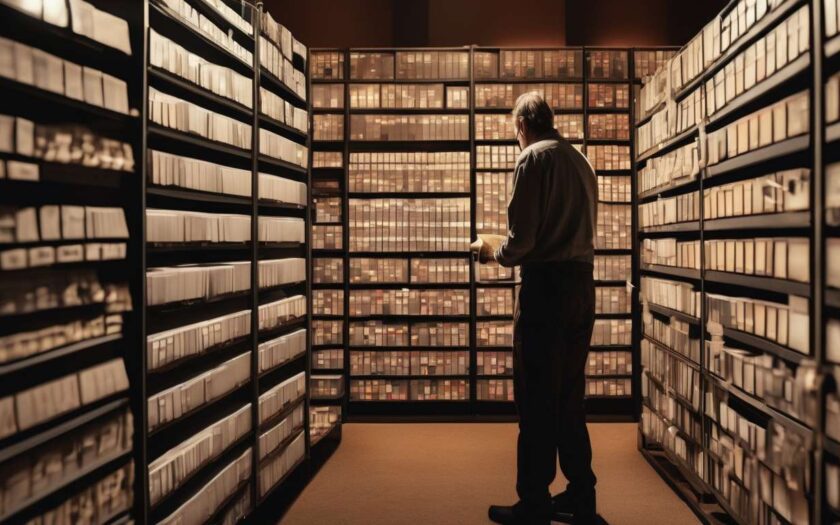
Many recent headlines about cultural digitization have overlooked one resilient, controversial domain: adult movie culture.
We find ourselves at the intersection of rapid technological change and shifting social norms, as streaming platforms, archival initiatives, and legal debates reshape what is preserved and what is erased.
As historians, archivists, and consumers, we recognize that these trends force urgent choices about which materials receive care, metadata, and long-term storage.
We must confront moral panics and censorship pressures that can consign significant artifacts to oblivion, while also navigating privacy, consent, and rights management for performers.
By tracking platform policies, court rulings, and archival funding patterns, we see both risks and opportunities for preserving an honest record of sexual representation, labor, and subcultural innovation.
Together, we argue that deliberate, ethical digital preservation of adult films is essential to understanding broader cultural history and safeguarding future scholarship.
Historical Significance
We recognize adult films as culturally and historically significant artifacts.
We view them as documentation of changing social attitudes, technologies, and industry practices — valuable for understanding past norms and innovations.
We view adult film archives as communal memory banks.
These archives enable creators, performers, scholars, and audiences to trace how norms evolved and how innovation reshaped production and distribution.
We insist that preservation honors consent and privacy.
- Protect performer wishes.
- Redact sensitive metadata.
- Control access to vulnerable materials.
We embrace clear preservation standards.
- Adopt consistent digitization practices.
- Use interoperable metadata schemas.
- Maintain durable storage formats across institutions.
We seek belonging in a professional community committed to ethical stewardship.
We commit to transparent policies that balance scholarly access with ethical responsibilities.
We acknowledge preservation challenges and prioritize triage.
- Address degradation and obsolete formats.
- Confront inconsistent documentation.
- Prioritize saving representative works and voices from marginalized communities.
We collaborate across institutions and stakeholders.
- Work with archives, legal advisors, and rights holders.
- Build shared repositories and training programs.
- Ensure the lineage of adult movie culture remains traceable, contextualized, and respectfully preserved for future learners.
Archival Ethics
We commit to ethical decision-making that centers performer dignity, informed consent, and equitable access while recognizing legal, cultural, and safety constraints.
We steward adult film archives with care, ensuring materials are handled transparently and respectfully.
We acknowledge histories of exploitation and work to foreground performers’ voices, creating pathways for those represented to participate in decisions about their records.
We adopt clear consent and privacy protocols that go beyond legality to honor personal agency:
- Metadata control
- Access restrictions when requested
- Processes for removing or redacting sensitive information
We balance openness with obligations to protect individuals from harm, designing access tiers that reflect community needs.
We follow rigorous preservation standards to maintain integrity and provenance:
- Document chain-of-custody
- Record technical interventions and fixes
- Ensure materials remain usable for future generations
We cultivate a welcoming archive culture where contributors, researchers, and community members collaborate, share stewardship responsibilities, and build trust—because ethical preservation is collective work that affirms belonging and mutual respect.
Legal Challenges
Many legal questions—copyright, obscenity laws, performer rights, and privacy claims—force us to navigate complex, often conflicting statutes and case law when preserving adult movie culture.
We face trademarked content, expired rights, and jurisdictional inconsistencies that affect how adult film archives can collect, store, and provide access.
We’ll need clear policies that align with preservation standards and case law while reflecting our community’s values.
We believe belonging comes from shared stewardship, so we coordinate with rights holders, legal counsel, and peer institutions to develop usable frameworks.
We’ll document provenance, licenses, and restrictions to reduce future disputes and ensure responsible access.
While we won’t resolve every legal ambiguity, we’ll prioritize transparency and risk mitigation, balancing preservation with legal compliance.
By building interoperable workflows and community-backed policies, we create secure pathways for research and cultural memory that respect consent & privacy without sacrificing the integrity of the archive.
Consent and Privacy
We will prioritize clear, verifiable consent and protect personal privacy at every stage of acquisition, description, storage, and access.
We commit to transparent workflows in adult film archives that center the dignity and agency of performers and contributors.
We will document who gave consent, for what uses, and for how long, and keep those records linked to preservation metadata so decisions are auditable.
We will respect requests to restrict, anonymize, or remove identifying information, and build access tiers that reflect those choices.
We will balance public interest in cultural history with individual rights by embedding consent and privacy considerations into collection policies and preservation standards.
We will train staff to handle sensitive materials with care, use consent forms that are plain and portable, and review legacy holdings for unresolved privacy issues.
By doing this together, we will create adult film archives that feel safe, accountable, and inclusive, ensuring people who contributed to this history are heard and protected as we preserve it for future communities.
Technical Standards
We’ll adopt clear, interoperable technical standards for file formats, metadata schemas, and storage practices so our collections remain accessible, authentic, and usable over time.
We’ll choose open, widely supported formats and document versioning to ensure long-term file readability and reduce vendor lock-in.
We’ll define preservation standards that balance fidelity with storage efficiency and keep migration plans current so materials aren’t stranded on obsolete media.
We’ll create metadata profiles that capture provenance, rights, and context while respecting consent and privacy commitments made to contributors and performers.
We’ll use controlled vocabularies and persistent identifiers so records are discoverable, citable, and linked without exposing sensitive personal data.
We’ll standardize mechanisms to guarantee authenticity and recovery after corruption or loss:
- Checksums for integrity verification.
- Audit trails to record changes and access.
- Redundancy strategies (multiple copies, geographically distributed storage).
By aligning on these technical standards, we’ll build interoperable collections that:
- Honor contributors and respect privacy.
- Support research and citation.
- Sustain a shared cultural heritage that stakeholders can trust.
Funding and Policy
To sustain this work, we’ll secure diverse, transparent funding and adopt clear policies that balance fiscal responsibility with ethical stewardship.
We’ll pursue grants, donations, and institutional partnerships so adult film archives have stable support without relying on any single source.
We’ll write funding agreements that protect independence, set expectations for access, and ensure ongoing care.
We’ll codify consent & privacy as non-negotiable policy pillars, requiring documented permissions for materials and strict controls on sensitive metadata.
We’ll align acquisition and access rules with legal obligations and the dignity of performers, making clear how requests are handled and when materials are restricted.
We’ll adopt and promote preservation standards that are practical and reproducible, using open formats, documented workflows, and audit trails.
We’ll maintain transparent budgets and reporting so contributors feel included and respected.
By matching responsible funding with robust policy, we’ll safeguard history and build a trusted, inclusive repository that our community can rely on.
Community Involvement
We’ll invite performers, scholars, fans, and community groups to help shape collecting priorities, access rules, and public programs so the archive reflects lived experiences and trusted needs.
We’ll build participatory governance for adult film archives that centers dignity, safety, and mutual respect.
We’ll create advisory councils and regular listening sessions so marginalized voices guide what gets preserved and how it’s described.
We’ll adopt clear policies around consent & privacy, ensuring contributors control permissions and that sensitive materials are handled with care.
We’ll train volunteers and staff in ethical intake, metadata practices, and digital security so community members feel confident contributing.
We’ll co-design outreach and learning events that welcome newcomers while honoring practitioners’ expertise.
We’ll set transparent preservation standards and open channels for feedback so technical choices serve community values.
We’ll offer shared stewardship opportunities, including:
- Curated exhibits
- Oral histories
- Joint digitization projects
By centering collaboration, we’ll make the archive a living resource that respects people and preserves history responsibly.
Future Scholarship
We’ll support interdisciplinary research that uses our collections to rethink sexuality, labor, media history, and technology while foregrounding ethical, community-led methods.
We’ll invite scholars, former performers, archivists, and community advocates to co-design projects that center lived experience and mutual respect.
By opening adult film archives to rigorous study, we create shared opportunities for teaching and publication that normalize care, dignity, and nuance.
We’ll prioritize consent & privacy in every research protocol, ensuring contributors can set terms for access and use.
We’ll codify clear preservation standards so materials remain authentic, findable, and responsibly accessible over time.
We’ll fund fellowships and workshops that teach ethical use of sensitive collections and build capacity in communities historically excluded from scholarship.
We’ll measure success by increased collaborative outputs, improved access frameworks, and stronger community trust.
Together, we’ll build futures where scholarship deepens understanding without exploiting people, and where adult movie culture is preserved with integrity, transparency, and collective stewardship.
How do archivists handle restoration of damaged or degraded adult film materials without altering the original artistic intent?
We consider how archivists restore damaged or degraded film materials without changing original intent.
Assess condition.
- Conduct a thorough physical and chemical examination of the film elements.
- Document current damage, degradation, and any previous repairs.
Consult creators and communities when possible.
- Reach out to original creators, rights holders, and representative community stakeholders.
- Respect expressed wishes and cultural protocols.
Document every treatment choice.
- Keep detailed, dated records of decisions, methods, materials, and personnel involved.
- Preserve source files, intermediate files, and final outputs with metadata describing changes.
Prioritize reversible, minimal interventions.
- Use conservative treatments that stabilize materials with the least alteration to original content.
- Favor methods that can be undone or re-evaluated as technology and standards evolve.
Use preservation-grade materials and noninvasive digital techniques to stabilize imagery and sound.
- Choose archival storage materials and environmental controls for physical elements.
- Employ noninvasive cleaning, repair, and digitization workflows; use digital restoration only to support access or preservation while documenting all algorithms and parameters used.
Keep transparent records and access copies so future caretakers can understand decisions.
- Maintain accessible archives of treatment records and original masters.
- Provide access (where legal and ethical) to both restored and unrestored versions for research and verification.
Ensure stewardship that respects creators and community values.
- Balance preservation goals with ethical, cultural, and legal considerations.
- Reassess and update treatments as community standards and technologies change.
Are there specialized training programs or certifications for archivists who work specifically with adult media collections?
Short answer: There are very few — if any — formal, industry-wide certifications created solely for archivists who work with adult media collections. Most practitioners combine general archival training with targeted learning and peer support.
Typical approach (what archivists actually do):
-
General archival certifications and training.
- Pursue programs like the Academy of Certified Archivists (ACA), graduate degrees in archival studies or library science, and workshops on appraisal, description, digitization, and preservation.
- Use these foundational skills to manage adult media collections.
-
Targeted preservation and technical courses.
- Take courses on audiovisual preservation, digital forensics, metadata standards (e.g., PREMIS, Dublin Core), and digital repository management to handle format-specific needs.
-
Privacy, ethics, and legal workshops.
- Attend training on privacy law, copyright, GDPR/other data-protection regimes, consent practices, and ethical decision-making for sensitive materials.
- Develop policies addressing consent, de-identification, access restrictions, and risk assessment.
-
Community-specific seminars and peer networks.
- Join practitioner networks, special-interest groups, and conferences where adult media issues are discussed (e.g., sexualities studies archives, queer archives, feminist archives).
- Participate in targeted seminars, webinars, or panels that address best practices, trauma-informed workflows, and community expectations.
-
Institutional policy development and local training.
- Create internal guidelines, intake procedures, and access controls tailored to your collection and community.
- Train staff on handling sensitive content, patron interactions, and recordkeeping for consent and restrictions.
Key focus areas to develop expertise:
- Consent and ethical stewardship — protocols for obtaining and documenting consent; respecting contributors’ wishes and community norms.
- Legal compliance — copyright, publicity rights, obscenity laws, and privacy regulations.
- Access controls — layered access, restricted-use agreements, age verification where appropriate, and clear finding aids describing limits.
- Trauma-informed practice — methods for minimizing harm to staff and researchers, trigger warnings, and safe handling of survivor testimony.
- Community engagement — co-creation of policies with contributor communities, and sensitivity to cultural/identity contexts.
Practical steps you can take now:
- Identify core archival certifications or degree programs for foundational skills.
- Seek AV/digital preservation and metadata courses relevant to adult formats.
- Enroll in ethics, privacy, and consent-focused workshops.
- Network with peers via listservs, SIGs, and conferences addressing sexuality, gender, and archives.
- Draft and iterate institutional guidelines with input from legal counsel and community stakeholders.
If you’d like, I can recommend specific courses, conferences, or professional groups that address adult media and sensitive-collections practice.
What measures are taken to prevent unauthorized access or piracy of digitized adult content stored in archives?
We secure digitized adult content with layered controls, because protecting materials and community trust matters.
We use strict access policies and authenticated user accounts.
- Role-based permissions ensure users see only what they are authorized to access.
- Two-factor authentication and strong password rules reduce unauthorized access risk.
We protect data in storage and transit.
- Encrypted storage safeguards content at rest.
- Encrypted transfers (TLS) protect content in motion.
We monitor and deter misuse.
- Comprehensive logging and regular log review detect suspicious activity.
- Watermarking and DRM measures discourage unauthorized distribution.
We validate security through audits and testing.
- Regular audits and vulnerability scans identify and remediate weaknesses.
- Penetration testing helps validate controls under realistic attack scenarios.
We maintain organizational safeguards.
- Staff training and required confidentiality agreements reduce human risk.
- Collaboration with legal counsel enables rapid response to breaches or piracy.
Conclusion
You’ve seen how preserving adult movie culture matters historically and ethically, and you’ll need to balance legal, consent, and privacy concerns as you act.
You’ll follow technical standards, seek sustainable funding, shape policy, and engage communities to ensure respectful stewardship.
Your work will enable future scholarship to understand changing social norms, technological shifts, and marginalized voices.
By committing to thoughtful, rights-respecting archives, you’ll keep complex histories accessible for generations.