
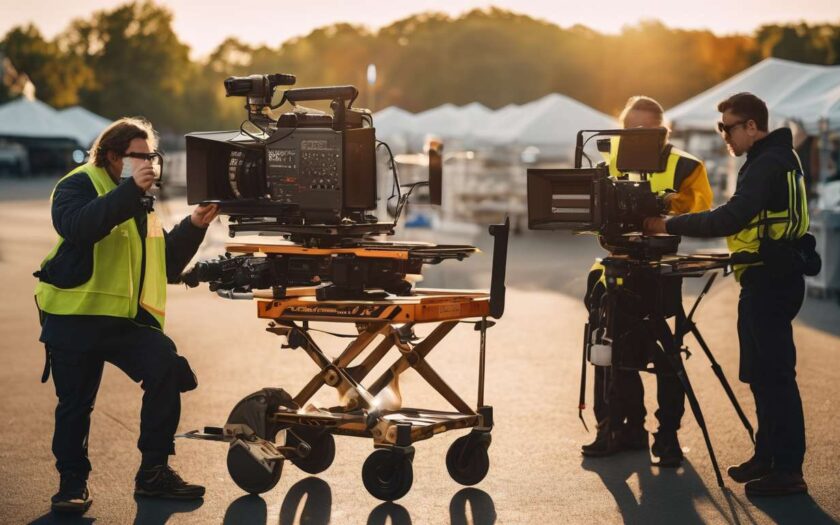
Knowing that 68% of film sets report at least one safety incident annually, we recognize the urgent need for clearer professional standards guiding responsible adult movie production.
We have seen talented crews and performers face preventable risks when protocols are vague or inconsistently applied, and we believe rigorous, shared guidelines can change that reality.
As producers, directors, performers, technicians, and advocates, we commit to balancing creative expression with safety, consent, and ethical labor practices.
We will outline practical standards that encompass:
- Pre-production planning
- On-set communication
- Informed consent procedures
- Post-production support
These standards will be grounded in respect for autonomy and legal compliance.
By adopting transparent documentation, standardized training, and accountability mechanisms, we can reduce harm, enhance professional credibility, and foster a healthier industry culture.
Together, we can transform fragmented practices into a cohesive framework that prioritizes dignity and responsibility while preserving artistic integrity.
Industry Safety Baselines
We establish clear, enforceable safety baselines that everyone on set must follow to protect performers and crew.
We set concise consent protocols that make boundaries plain before any scene starts, and we insist on written confirmation so intentions aren’t left to memory.
We prioritize performer safety through mandatory briefings, accessible medical resources, and cooldown procedures after physically intense work.
We cultivate on-set communication that’s direct, respectful, and nonjudgmental, encouraging anyone to speak up without fear of repercussion.
We equip teams with standardized hand signals and a shared glossary of terms so consent and limits are tracked in real time.
We rotate responsibilities to prevent fatigue and maintain vigilance, and we document deviations from baseline practice to learn and improve.
We hold routine reviews where crew and performers can propose refinements, reinforcing that safety is a shared responsibility.
We create an inclusive environment where belonging supports accountability, and we enforce these baselines consistently so trust and professional integrity become the norm.
Pre‑Production Planning
We map every scene, role, and safety requirement in advance.
We anticipate risks, assign responsibilities, and secure necessary resources before cameras roll.
In pre-production planning, we outline clear schedules, call sheets, and role definitions.
- We ensure everyone knows where they belong and what’s expected.
We integrate consent protocols into briefing materials without duplicating later procedural details.
- We document boundaries, emergency contacts, and interval checks to reinforce performer safety from day one.
We standardize on-set communication channels.
- Radios, hand signals, and designated point people ensure questions get answered quickly and discreetly.
We create a welcoming environment for flagging concerns.
- Crew and performers can raise issues without fear of exclusion.
We coordinate medical coverage, legal review, and rehearsal time.
- These measures reduce surprises and respect personal limits.
By planning logistics, privacy measures, and contingency plans together, we build trust and protect well-being.
- This approach ensures production runs smoothly while honoring everyone’s dignity and shared commitment to professional, safe work.
Consent Protocols
We require explicit, revocable agreement for every scene element and action, documented in writing before any cameras roll.
We make consent protocols the foundation of our work, outlining clear limits, safewords, and permitted interactions so everyone knows what’s agreed.
We ensure performers can revise or withdraw consent at any time without pressure or repercussion, reinforcing performer safety as a nonnegotiable priority.
We keep records accessible to the performer, production manager, and a designated consent officer, so changes are tracked and respected.
We train staff to recognize subtle cues of discomfort and to intervene promptly.
- This training supports a culture where people feel they belong and are protected.
- It includes recognizing both verbal and nonverbal signals and knowing when to pause or stop a scene.
We schedule check-ins before and after scenes to confirm ongoing agreement and emotional wellbeing.
By codifying these steps, we create predictable, compassionate workflows that center autonomy and dignity.
Our consent protocols are practical commitments that:
- Safeguard performer safety.
- Strengthen trust across the production.
On‑Set Communication
We establish clear, consistent communication norms so everyone knows how to speak up, who to report to, and what will happen when a concern arises.
We reinforce on-set communication as a shared responsibility.
- We listen without judgment.
- We confirm understanding.
- We use agreed signals for pauses or stops.
We embed consent protocols into every call sheet and pre-scene briefing so expectations are explicit and revisited, not assumed.
We create accessible, confidential reporting channels.
- Designated safety officers.
- Anonymous reporting options.
- Training so crew and performers use channels confidently.
We prioritize performer safety through immediate, respectful intervention when boundaries are tested.
- Intervene promptly and respectfully.
- Document conversations and resolutions promptly.
We practice concise, direct language to reduce ambiguity.
- Hold regular briefings to align everyone on scene intent, limits, and backup plans.
We foster a culture where speaking up strengthens trust.
- Clear, routine on-set communication is essential to both artistic work and collective wellbeing.
Performer Support Systems
We provide every performer with clear access to emotional, medical, and legal support before, during, and after production so they’re never left to navigate issues alone.
We build a community where people feel seen and supported, and we make practical resources available:
- Confidential counselors available for immediate or scheduled sessions.
- Agreed-upon referral pathways to medical professionals familiar with on-set needs.
- On-call legal advisors experienced with industry norms and performer rights.
We train staff in consent protocols so boundaries are honored, documented, and revisited as needed, reinforcing performer safety at every step.
We maintain a designated support liaison on set and off, and we encourage open on-set communication to report concerns without fear of retaliation.
We document incidents and responses transparently, offering follow-up care and mediation when requested.
We schedule check-ins after shoots and maintain clear procedures for escalation, ensuring responses are timely and respectful.
By centering mutual care and accountability, we create an environment where performers belong, know their rights, and trust the systems set up to protect their wellbeing and dignity.
Technical and Health Standards
We establish and enforce clear technical and health standards—covering hygiene, infection control, equipment maintenance, air and lighting quality, and emergency medical readiness—to protect performers and crew throughout production.
Sanitation and testing routines
- We set routines for sanitation, including hygienic handling of costumes and props.
- We implement regular testing where appropriate.
- We maintain clear consent protocols so everyone knows boundaries and procedures before work begins.
Personal protective equipment and medical readiness
- We prioritize performer safety by ensuring PPE availability.
- We make sure trained first responders are on call and emergency medical plans are in place.
Equipment, ventilation, and lighting safety
- We keep equipment maintained and inspected to prevent hazards.
- We monitor ventilation and lighting to support comfort and safe visibility during shoots.
Inclusive communication and reporting
- We foster inclusive on-set communication so crew and performers feel safe raising concerns without stigma.
- We encourage plain, respectful language and rapid escalation paths for health issues.
Briefings and culture
- We conduct briefings that reinforce shared responsibility and mutual care.
- We create a team culture where safety practices are normalized.
By combining precise technical checks with compassionate, consistent communication, we ensure productions run professionally while protecting the wellbeing of everyone involved.
Documentation and Accountability
We document all health, safety, and technical checks, and we keep clear, accessible records that hold people and departments accountable.
We centralize logs so every team member feels included in maintaining standards.
- We track consent protocols, medical screenings, and equipment inspections with timestamps and signatures.
- We record incidents and responses promptly, ensuring performer safety and dignity remain front and center.
We make on-set communication protocols part of the record.
- Pre-shoot briefings, role assignments, and confirmed safe words or gestures are logged and retrievable.
- We use simple templates and secure storage so contributors can review decisions and raise concerns without friction.
We audit records regularly and share summaries with relevant staff while protecting privacy.
We enforce accountability by linking documented responsibilities to specific individuals and roles, and we review compliance after each production.
By keeping documentation straightforward and accessible, we build trust, reinforce performer safety, and strengthen a collaborative, respectful workplace culture.
Training and Certification
Policy: Mandatory role-specific training and certification
We require all crew and performers to complete role-specific training and certification programs so everyone understands safety procedures, technical standards, and respectful conduct before they work on set.
Course content and practical skills
- We build practical courses that cover consent protocols, performer safety, and clear on-set communication, so every team member feels prepared and included.
- We teach how to document consent, recognize verbal and nonverbal cues, and pause or stop activities when boundaries change.
Technical and privacy training
- We train technicians in discreet, professional handling of sensitive situations and in maintaining privacy and dignity.
Leadership and accountability training
- We certify producers and coordinators in conflict resolution and reporting pathways, ensuring accountability without stigma.
Ongoing practice and assessment
- We refresh skills regularly with scenario-based drills and assessments that promote shared responsibility.
Accessibility and mentorship
- We provide accessible materials and peer mentors so newcomers fit in quickly and veterans keep standards high.
Records, renewals, and curriculum review
- We track certifications centrally, require renewals, and review curricula with performers and staff to reflect lived experience.
Continuous improvement
We commit to continuous improvement, making safety, respect, and belonging the baseline for every production.
What are the recommended insurance coverages unique to adult film production that differ from general film production?
Summary — Purpose:
You want insurance coverages tailored specifically for adult film work, prioritizing strong protections for consent-related liability, explicit-content risks, STI testing/treatment, performer health and mental-health support, privacy and reputation, testing facility liability, and employment-practices exposures around consent and age verification — while keeping standard film policies but with adjusted limits and endorsements.
Recommended coverages and key features
1. Body‑consent liability (specialized general liability / professional liability endorsements)
- Ensure explicit coverage for consent-related claims arising from physical contact during production.
- Include defenses for allegations even if ultimately unproven.
- Higher limits than standard film GL — consider per‑occurrence and aggregate limits that reflect potential personal-injury and emotional-harm damages.
- Clarify scope to cover both on‑set and off‑set activities when performed as part of production.
2. Explicit‑content indemnity (intellectual‑property / content liability insurance)
- Protect against claims tied to distribution of sexually explicit material (obscenity, distribution to minors, breach of decency statutes where insurable).
- Coverage for takedown costs, legal defense, and settlements; limit endorsements that address jurisdictional exposure in places with strict laws.
- Contractual indemnity for platforms and distributors that host content.
3. STI testing and treatment coverage (occupational health insurance/medical benefits)
- Policy provisions that cover routine and incident STI testing and treatment for performers as occupational health expenses.
- Include pre‑ and post‑exposure prophylaxis, emergency treatments, and follow‑up care.
- Coverage for related travel/telehealth where appropriate.
4. Performer health and mental‑health support (medical & EAP benefits)
- On‑call medical care and injury coverage tailored to production risks (medical payor or workers’ comp complement).
- Mental‑health services: counseling, trauma support, substance‑use programs, and crisis intervention.
- Confidential access lines and culturally competent providers.
5. Enhanced privacy and reputation protection (cyber/privacy & crisis management)
- Coverage for unauthorized release of content, doxxing, doxing-related extortion, and privacy-breach remediation.
- Crisis PR expenses, reputation management, and takedown/removal services.
- Cyber liability for platform/data breaches that expose performer identities or private materials.
6. PCR/testing facility liability (professional liability for medical/testing providers)
- Insurance to cover claims arising from faulty testing, misreporting, delayed results, or breaches of testing confidentiality.
- Professional liability limits for labs and mobile testing services used by productions.
- Include coverage for costs of re-testing, notification, and associated medical/treatment expenses.
7. Specialized employment practices liability (EPLI) addressing consent and age‑verification claims
- EPLI endorsements specifically covering allegations of coercion, failure to obtain informed consent, improper onboarding practices, and negligent age verification.
- Policies should cover defense costs, regulatory fines where insurable, and settlements.
- Include risk management requirements: documented consent processes and recordkeeping.
8. Workers’ compensation & occupational accident policies
- Ensure performers receive appropriate benefits where workers’ comp applies; where not, provide occupational accident policies that cover medical care and lost wages.
- Tailor limits to cover on‑set injury scenarios and infectious disease claims (depending on jurisdictional treatment).
9. Media/production policies (tailored standard film coverage)
- Commercial General Liability, Media Liability (libel/slander), Errors & Omissions, and Equipment/Props coverage — all with endorsements adjusting limits and exclusions to account for explicit content.
- Adjust indemnity language for distributors/platform agreements.
10. Limits, endorsements, and exclusions to negotiate
- Increase per‑occurrence and aggregate limits for bodily injury, professional liability, and privacy/cyber lines.
- Seek endorsements that expressly include consenting sexual activity and testing-related exposures.
- Avoid or negotiate narrow exclusions for sexually explicit content, reproductive/STD-related claims, and “illegal acts” language that could exclude routine consenting work.
- Carefully review jurisdictional exclusions (some states/countries have criminal statutes that affect insurability).
11. Risk‑management and contract requirements (loss prevention that insurers will require)
- Written, witnessed, and time‑stamped consent forms and model releases; secure storage and limited access.
- Robust age‑verification procedures with retained documentation.
- Regular on‑site STI testing protocols with vetted labs and chain‑of‑custody procedures.
- Mandatory performer education, safety officers/“intimacy coordinators,” and mental‑health plans.
- Cybersecurity, privacy policies, and training for staff handling sensitive data.
- Standardized vendor contracts requiring proof of insurance (labs, talent agencies, platforms).
12. Policy placement considerations
- Work with brokers experienced in adult entertainment risk to find carriers willing to underwrite explicit‑content risks.
- Consider captive programs or higher retentions if market capacity is limited.
- Multi‑jurisdictional placements for productions distributed globally.
Next steps / action items
- Identify the specific operations to be insured (performer‑produced, studio, platform, distributor).
- Gather current contracts, consent forms, testing protocols, and existing insurance policies.
- Engage a broker experienced with adult‑industry placements and with relationships to specialty carriers.
- Implement or document risk‑management practices (consent, testing, age verification, privacy).
- Request policy wordings and endorsements for review to ensure the coverages above are explicitly included.
If you want, I can:
- Draft model policy wording and specific endorsement language to request from carriers.
- Create a prioritized checklist and template consent/age‑verification forms.
- Recommend questions to vet brokers and carriers experienced in this sector. Which of those would you like next?
How should productions handle cross-border shoots where local laws and cultural norms about adult content conflict with the production’s home-country standards?
How to handle cross-border shoots when local laws or cultural norms clash with home standards
Research and legal counsel
1. Research local laws and norms.
- Identify laws, permits, and cultural practices that affect filming.
- Gather country-, region-, and municipality-level requirements.
2. Consult local counsel.
- Retain or consult lawyers experienced in local media and employment law.
- Confirm what is legally permissible and what carries risk.
Prioritize compliance and safety
3. Prioritize legal compliance and participant safety.
- Make compliance and safety non-negotiable priorities.
- Implement safety protocols that meet or exceed local standards where possible.
Adaptation and mitigation
4. Adapt content and operations.
- Modify scripts, wardrobe, behavior, or staging to respect local norms while preserving creative intent when feasible.
- Use creative solutions (e.g., implied rather than explicit scenes) to reduce conflict.
5. Secure permits and approvals.
- Apply for, obtain, and keep records of all required permits and local approvals.
- Engage local fixers or production partners to smooth logistics.
6. Consider alternative locations.
- If conflicts persist, evaluate different local sites or neighboring countries/states with compatible laws and norms.
Communication, consent, and privacy
7. Communicate transparently with cast and crew.
- Brief all personnel on legal, cultural, and safety considerations before arrival.
- Explain any adaptations, restrictions, and contingency plans.
8. Obtain informed consent and protect privacy.
- Get clear, documented consent for potentially sensitive content, in a language participants understand.
- Implement data- and image-protection safeguards per local and home-jurisdiction standards.
Risk management and escalation
9. Pause or cancel when risk remains.
- If unresolved legal or safety risks persist, pause or cancel the shoot rather than proceed.
- Escalate decisions to senior leadership and legal teams; document the rationale.
10. Post-shoot review and learnings.
- Conduct a debrief to capture lessons learned, update checklists, and refine policies for future cross-border shoots.
Bottom line: Prioritize legal compliance and participant safety, adapt creatively where possible, communicate clearly, and be prepared to stop the project if the risk cannot be mitigated.
What protocols exist for managing the mental health of performers after a shoot, including access to confidential therapy or debriefing services long-term?
Protocols covering performers’ mental health after a shoot
Immediate and confidential access to mental health support
- Confidential therapy: Performers are provided access to trauma-informed therapists with confidentiality assured.
- Confidential hotlines: 24/7 confidential hotlines are available for urgent support.
- Funded counseling period: Counseling is funded for a defined post-shoot period to ensure financial barriers do not prevent care.
Planned follow-up and continuity of care
- Scheduled follow-ups: Performers receive scheduled follow-up contacts to monitor wellbeing after the shoot.
- Continuity of care referrals: When needed, performers are referred to ongoing community or private providers to maintain continuity of care.
Voluntary debriefing and peer support
- Voluntary debriefing sessions: Optional debriefings are offered to discuss experiences and process any distress.
- Peer support groups: Access to peer support groups provides shared understanding and mutual support.
Privacy, consent, and recordkeeping
- Privacy protections: All services prioritize privacy and confidentiality.
- Consent-based records: Any records are created and maintained only with performer consent and in accordance with privacy laws.
Feedback and service adaptation
- Feedback invited: Performers are invited to give feedback on support services.
- Adaptive services: Programs are reviewed and adapted based on performer feedback and evolving needs.
Conclusion
You’ve got a clear framework that keeps everyone safer and respected across every stage of adult movie production.
By planning thoroughly, securing informed consent, communicating openly on set, and providing performer support, you reduce risk and elevate professionalism.
Stick to technical, health, and documentation standards, and invest in training and certification so practices stay current.
When you follow these baselines consistently, you protect people, your production, and the industry’s integrity.