
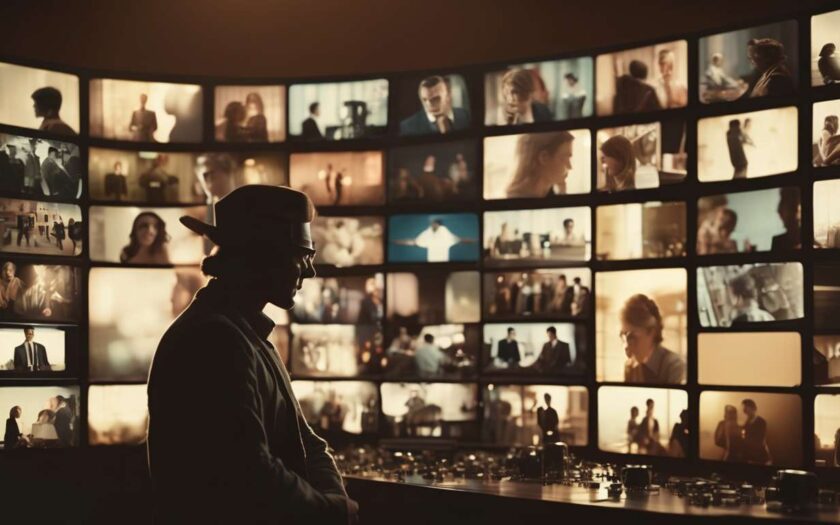
Moments ago we found ourselves at a dimly lit screening room, the hum of conversation fading as a new wave of adult films began to play — not the titillation we expected, but narratives probing identity, consent, and intimacy.
We watched performers and directors reclaim stories long relegated to the margins, and we felt the dissonance between industry habits and cultural shifts ripple through the room.
As observers and participants in media culture, we asked how these changes reflect broader conversations about gender, technology, and ethics.
We traced scenes where production practices foreground safety and agency, and noted new platforms reshaping who controls representation.
Our aim here is not prurient curiosity but careful analysis: to chart how aesthetics, distribution, and audience engagement signal an evolving landscape.
By examining editorial coverage, we seek to understand how adult cinema is being rewritten — and what that rewrite reveals about the societies that watch it.
Historical Context
We trace how adult films have evolved from underground stag shows to a mainstream, digitally driven industry.
We remember pioneers who pushed boundaries while communities sought connection and validation.
Our shared history reflects shifts in how we understand sexuality and public morality.
We acknowledge early exploitation alongside grassroots efforts to give performers agency.
Consent is emphasized as a turning point in industry practices and audience expectations.
We note how technological milestones—home video, the internet, and streaming—reshaped distribution and access.
These changes altered the ways we form bonds around erotic media and who can produce and consume it.
We explore how networks of creators, viewers, and advocates cultivated norms that balanced creative expression with responsibility.
- They created spaces where people feel seen and respected.
- They negotiated standards around consent, safety, and representation.
We highlight archival efforts that preserve context and critique.
Preserving history ensures our collective memory informs present choices.
We center accountability and mutual support.
- Understanding this history helps us participate in a culture that prioritizes dignity.
- It promotes safer practices and more inclusive representation as the industry continues to transform.
Changing Narratives
Across genres and platforms, narratives in adult film are shifting from one-note fantasies to more complex stories that center diverse identities, emotional nuance, and mutual pleasure.
Writers and directors are leaning into character depth, showing how sexuality connects to personal history, cultural background, and everyday intimacy.
Consent is being portrayed as an ongoing, communicated practice rather than a checkbox, and this representation helps build trust between performers and viewers.
As streaming broadens access, creators are experimenting with serialized arcs and varied pacing, giving time for relationships and boundaries to develop onscreen.
We want work that reflects who we are and who we aspire to be — inclusive, respectful, and emotionally intelligent.
By foregrounding diverse voices and realistic desires, these narratives invite audiences to learn and empathize rather than objectify.
Editorial coverage that highlights projects marrying craft with care is especially encouraging, because thoughtful storytelling helps reshape expectations around pleasure, respect, and belonging in this evolving media landscape.
Performer Agency
We’re focusing on performer agency: how creators, performers, and producers are asserting control over scripts, on-set practices, and distribution to protect dignity, safety, and creative input.
We’re advocating for shared decision-making: so everyone feels seen and belongs to a community that honors boundaries.
We recognize shifting power around sexuality and consent: performers are increasingly co-authoring scenes, setting limits, and negotiating terms before cameras roll.
We’re supporting collaborative distribution models: performers engage with producers about distribution choices, including streaming platforms, revenue splits, and content permanence, ensuring their work won’t be exploited or removed without their agreement.
We’re holding space for varied identities and voices: encouraging mentorship and collective bargaining to strengthen agency across the field.
We’re documenting practical steps to make belonging actionable:
- Clear agreements (written, specific, and revisited as needed)
- Open communication (pre-production meetings, on-set check-ins, and debriefs)
- Accessible channels for reporting concerns (confidential, responsive, and independent)
We’re committed to ongoing dialogue: centering performer autonomy while building a safer, more inclusive industry for all who create and watch.
Production Ethics
We commit to transparent practices, enforceable safety protocols, and shared decision-making that protect performers’ dignity and creative agency.
Consent processes are clear, documented, and revisited.
- Consent is obtained in writing and recorded where appropriate.
- Consent conversations are reopened whenever creative scope, participants, or context change.
- Consent withdrawal procedures are communicated and respected without penalty.
Discussions of sexuality center participants’ boundaries and intentions.
- Coercive norms are rejected.
- Diverse expressions are affirmed, provided they are not exploitative.
- Boundary-setting is prioritized in pre-production and on set.
Health and safety standards are adopted and made non-negotiable.
- Regular physical health testing (as appropriate to the production).
- Accessible mental-health support during and after production.
- On-set advocates or intimacy coordinators are available to represent performers’ interests.
Shoots are designed with input from performers, crew, and community representatives.
- Pre-production includes collaborative planning sessions.
- Labor conditions (hours, compensation, breaks) are set collectively.
- Creative choices reflect shared values and respect for participants.
Privacy and ongoing consent extend beyond the set to distribution and metadata.
- Age-verification practices and platform agreements consider performer privacy.
- Metadata and tagging are handled to minimize unintended exposure.
- Ongoing consent is considered when material is distributed or appears on streaming services.
We build practices that foster trust, belonging, and accountability.
- Ethical production sustains both artistic work and the people who create it.
- Policies are enforced, reviewed regularly, and updated in response to feedback.
Distribution Shifts
As platforms evolve and audience habits shift, we must rethink how adult films are distributed to protect performers’ rights, control metadata, and ensure transparent revenue and access models.
We are committed to reshaping distribution so creators and performers are seen, heard, and fairly compensated.
Goals:
- Embed consent verification at creation, upload, and distribution stages.
- Preserve records of agreements (contracts, licenses, releases) in tamper-evident formats.
- Prevent unauthorized reposting and takedown evasion that erodes trust.
We will advocate for platform standards that respect sexuality as a facet of expression while enforcing age verification and informed consent at every stage.
Metadata and transparency priorities:
- Clear metadata practices so credits, usage terms, and revenue splits follow content across aggregators and streaming services.
- Revenue transparency so performers and creators can verify earnings and understand distribution of funds.
- Cooperative governance to enable community oversight and accountability.
We support distribution models that prioritize safety, dignity, and shared prosperity.
- Subscription models that ensure steady creator income and ethical platform practices.
- Pay-per-view options that allow granular control and fair micropayments.
- Cooperative ownership and revenue-sharing structures that return power to creators and performers.
We will continuously refine policies and tools so distribution serves people, not just algorithms, and fosters a sense of belonging for creators and audiences alike.
Audience Dynamics
Audiences are changing fast, and we need to understand who they are, what they value, and how their behaviors shape ethical production, distribution, and performer well‑being.
We see diverse viewers seeking content that reflects their lived experiences and evolving ideas about sexuality, and we want them to feel seen without judgment.
Community-minded audiences prioritize:
- clear consent practices
- transparent performer treatment
- platforms that respect boundaries
We’re adapting to a landscape where streaming has broadened access and shifted expectations: people expect discretion, quality, and ethical sourcing as standard.
Our response is to listen and create channels for meaningful dialogue:
- Collect and act on audience feedback.
- Establish forums and reporting channels for concerns and suggestions.
- Support policies that protect performers while honoring audience agency.
By centering respect, education, and accountability, we build a space where curiosity and care coexist.
We’ll measure success not just in views but in trust, safety, and a shared commitment to responsible consumption that strengthens connection across diverse communities.
Media Representation
Goal: examine how adult films portray identities and relationships to spotlight misrepresentations, elevate authentic voices, and guide more responsible storytelling.
We will analyze patterns in casting, narratives, and production choices that shape who feels seen.
When sexuality is reduced to stereotypes, audiences and performers lose nuance.
- Problem: Stereotyped portrayals erase real desire, varied bodies, and intersecting identities.
- Aim: Encourage portrayals that reflect diversity in desire, bodies, orientations, genders, abilities, ages, and cultural backgrounds.
We will insist that consent be depicted clearly and respectfully on-screen and behind the scenes.
- Why: Clear consent supports safety, mutual agency, and trust.
- Actions:
- Require on-set protocols and documented consent practices.
- Represent ongoing, enthusiastic consent in narratives.
- Train creators and performers in communication and boundaries.
We will assess how distribution and platform choices affect which stories are amplified.
- Problem: Platform algorithms, monetization models, and content policies shape visibility and can render communities invisible.
- Advocacy priorities:
- Transparent content policies and moderation practices.
- Diverse leadership in programming and commissioning roles.
- Accessible feedback channels for marginalized creators and viewers.
By working together, we foster a media environment where belonging is a design principle.
- Outcome: Adult films that reflect complexity and dignity, enable authentic representation, and allow marginalized voices to influence storytelling and production.
Future Trajectories
Looking ahead, we’ll map likely trajectories for adult films—technological, regulatory, and cultural—and identify where interventions can steer the industry toward more ethical, inclusive, and sustainable practices.
Distribution:
Streaming will continue to dominate. This trend will push creators and platforms to prioritize transparent compensation and archive rights so contributors feel secure and seen.
Technology and consent:
As VR and AI grow, strong boundaries will be needed. We must insist on protections that prevent nonconsensual deepfakes and safeguard performers’ likenesses, reinforcing consent as a central, enforceable norm.
Cultural change and representation:
Efforts should broaden portrayals of sexuality beyond narrow tropes. That means nurturing content that reflects diverse bodies, orientations, and relational models, so more people see themselves represented.
Regulatory and platform responsibility:
Regulators and platforms will need collaborative frameworks. These should center performer safety, audience education, and equitable revenue models without stigmatizing the work.
Community-led standards and accountability:
Fostering community-led standards creates shared responsibility. By promoting practices that balance belonging, dignity, and creative freedom with responsibility and care, the industry can move toward a healthier, more sustainable future.
How do legal regulations and censorship laws in different countries specifically affect the production and availability of adult films?
We consider how laws shape production and access.
Strict censorship bans certain scenes, forces self-censorship, and pushes creators to underground or encrypted platforms.
Lenient regimes allow studios to operate openly, follow age and veracity rules, and distribute content widely.
Legal differences affect performers’ rights, health checks, and contracts.
- We support policies that protect workers.
- We support policies that expand safe, consensual access.
- We advocate for consistent, humane regulation across borders.
What are the typical income ranges and financial models for performers, producers, and directors within the adult film industry?
Short answer: Income in the adult film industry varies widely. New performers commonly earn from under $200 to a few hundred dollars per scene, while established or high‑demand performers can make several thousand dollars (or more) per scene. Many performers supplement or replace scene income with camming, subscription platforms, tips, custom content, and merchandise, which can produce steady monthly earnings or very high peaks for popular creators.
How pay typically breaks down (performers)
-
Per‑scene pay
- New/entry performers: often under $200–$500 per scene (can be lower for unpaid or “demo” work).
- Experienced or niche performers: typically $500–$1,500+ per scene depending on the producer, scene type, and market.
- Well‑known or in‑demand talent: commonly several thousand dollars per scene, sometimes much higher for exclusivity, feature roles, or special arrangements.
-
Platform and direct‑to‑fan income
- Subscription platforms (OnlyFans, Fansly, etc.): income ranges from small supplemental amounts to thousands or tens of thousands per month depending on subscriber count, pricing, and retention.
- Camming and live streaming: can provide regular hourly or monthly income; top cam models can earn very high sums, while many earn modest, inconsistent amounts.
- Tips, paid messages, custom videos: can be significant for performers who cultivate a loyal fanbase.
- Bundling income sources (cam + subscriptions + scene work) is common and greatly increases variance and upside.
-
Other performer income sources
-
Photo sets, clip sites, and revenue share from distributors.
-
Affiliate links, sponsorships, appearances, and brand deals.
-
Merchandise and digital goods.
How pay typically breaks down (producers, directors, indie creators)
-
Studio/producer model
-
Budgets: producers may pay performers, crew, and cover production costs from an upfront budget. Profit comes from distribution, sales, and platform revenue.
-
Revenue splits: studios often keep a large portion of distribution revenue; directors and producers may receive flat fees, per‑project pay, or backend percentages.
-
Established studios can earn steady returns from content libraries, licensing, and platform deals.
-
Independent creators
-
Rely heavily on direct‑to‑fan platforms, clip stores, subscriptions, and social marketing.
-
Lower production overhead but also more responsibility (marketing, editing, customer service).
-
Potentially higher margins per sale but greater income volatility and dependence on platform policies.
Factors that cause wide variation
- Experience, reputation, and niche demand — higher visibility and specialized niches usually command higher rates.
- Type of content and required services — complex shoots, travel, or scenes requiring specific skills or risk can pay more.
- Exclusivity and contract terms — exclusivity or agency deals can raise income but limit other opportunities.
- Platform algorithms, payment processing, and policy changes — platform deplatforming or payment restrictions can sharply reduce earnings.
- Geography and legal/regulatory environment — local laws, unionization, and regional market differences affect pay.
- Business skills and marketing — performers who build audiences, manage pricing, and diversify revenue streams typically earn more.
Realistic expectations and community guidance
- Most performers do not earn superstar incomes; many earn modest, sometimes unstable pay. Expect variability and the need to budget for gaps.
- Diversify income streams (scene work, camming, subscriptions, tips, merch) to smooth earnings and build resilience.
- Track earnings, set aside taxes and emergency funds, and invest in safety, health, and legal advice.
- Network and professionalize — agents, reputable studios, or experienced peers can help negotiate better terms.
- Know platform policies and legal protections — this reduces risk of sudden income loss.
If you want, I can:
- Provide sample monthly income scenarios (low/median/high) combining common revenue streams.
- Draft a checklist for new performers to manage finances and build diversified income.
- Summarize negotiation points and contract items performers should look for.
Which would be most useful?
How do technology platforms (e.g., payment processors, hosting services, content ID systems) influence the day-to-day operations and business viability of adult content creators?
Payment processors, hosting services, and content ID systems shape our daily work and survival.
They decide who gets paid, how fast funds clear, and which platforms host or remove our material.
We adapt workflows, platform mixes, and backup plans to mitigate deplatforming and chargeback risk.
- We change how and where we publish to reduce dependence on any single platform.
- We create off-platform backups and mirrors to preserve content and audience access.
- We implement payment and accounting practices that reduce chargeback exposure.
We collaborate on best practices, diversify income streams, and lobby for fairer policies.
- We share learnings and standards within communities to strengthen resilience.
- We build multiple revenue channels (direct sales, subscriptions, patronage, licensing) to spread risk.
- We engage policymakers and platforms to seek clearer, fairer rules so our creative labor and communities remain sustainable and respected.
Conclusion
You’ve seen how adult movies evolved from hidden niches to more visible cultural texts.
Key shifts reshaped the field:
- Narratives changed to reflect broader storytelling and diverse genres.
- Performer agency increased as performers demanded greater control and representation.
- Production ethics improved with more attention to consent, safety, and fair labor practices.
- Distribution moved from underground networks to mainstream and digital platforms.
Audiences and media have both challenged and reinforced stereotypes.
- Challenges: Calls for authenticity, diversity, and ethical transparency pushed creators to change.
- Reinforcements: Persistent tropes and commercial pressures at times maintained limiting portrayals.
Creators were pushed toward transparency and consent.
- This includes clearer communication about boundaries, informed consent protocols, and visible workplace standards.
Moving forward, two major forces will continue to redefine adult cinema:
- Technological change — new distribution channels, immersive formats, and AI will alter production and access.
- Ethical demands — calls for better labor protections, consent mechanisms, and representation will shape practices and content.
Overall, these dynamics will keep redefining what adult cinema means for culture, creators, and viewers.